


Navigating a Catamaran with a Professional Crew: What Does Your Sailing Plan Require?

On board a catamaran, everyone can choose how involved they want to be. Some owners enjoy planning their routes, taking the helm and getting involved in manoeuvres. Others prefer to delegate some or all of the navigation, leaving more time to enjoy the scenery, welcome family and friends or undertake a passage with an experienced crew member on board.

Between these two approaches, there are many possible arrangements. A skipper can come on board for a few days, a passage or a familiarisation period. A chef or stewardess can join the crew when managing everyday life on board becomes more demanding. On a larger catamaran, several professionals may form a permanent crew.

Whether or not you choose professional support will largely depend on your plans: where do you want to sail? For how long? With how many people on board? Which responsibilities would you like to delegate, and which would you prefer to keep?


  • The right crew depends on your sailing plans, desired level of independence, number of people on board and the tasks you wish to delegate.
  • A skipper can provide occasional support for familiarisation, a cruise, a passage or a delivery, without necessarily becoming a permanent crew member.
  • When day-to-day organisation, hospitality or maintenance require more attention, a stewardess, chef or deckhand can provide additional support.
  • For frequent use, larger groups of guests or extended voyages, a professional crew may be worth considering.
  • Cabins, privacy, storage, the galley, circulation areas and access to equipment all influence how a catamaran should be laid out when professional crew are on board.

November 13, 2026
Why Hire a Professional Crew for Your Catamaran?


Getting Support Tailored to Your Experience and Sailing Plans

On your first cruise aboard a new catamaran, a professional skipper can help you get familiar with your boat and carry out your first manoeuvres. In an unfamiliar cruising area, their experience can help you plan your routes, stopovers and anchorages.

However, professional crew support is not just for less experienced sailors: even confident, independent sailors may wish to strengthen their crew for a passage, share night watches or have an extra experienced sailor on board for a particular leg of the journey. A professional can also be hired for a delivery, to move the boat from one cruising area to another, to assist on a specific leg or to support the catamaran's use in a charter programme.

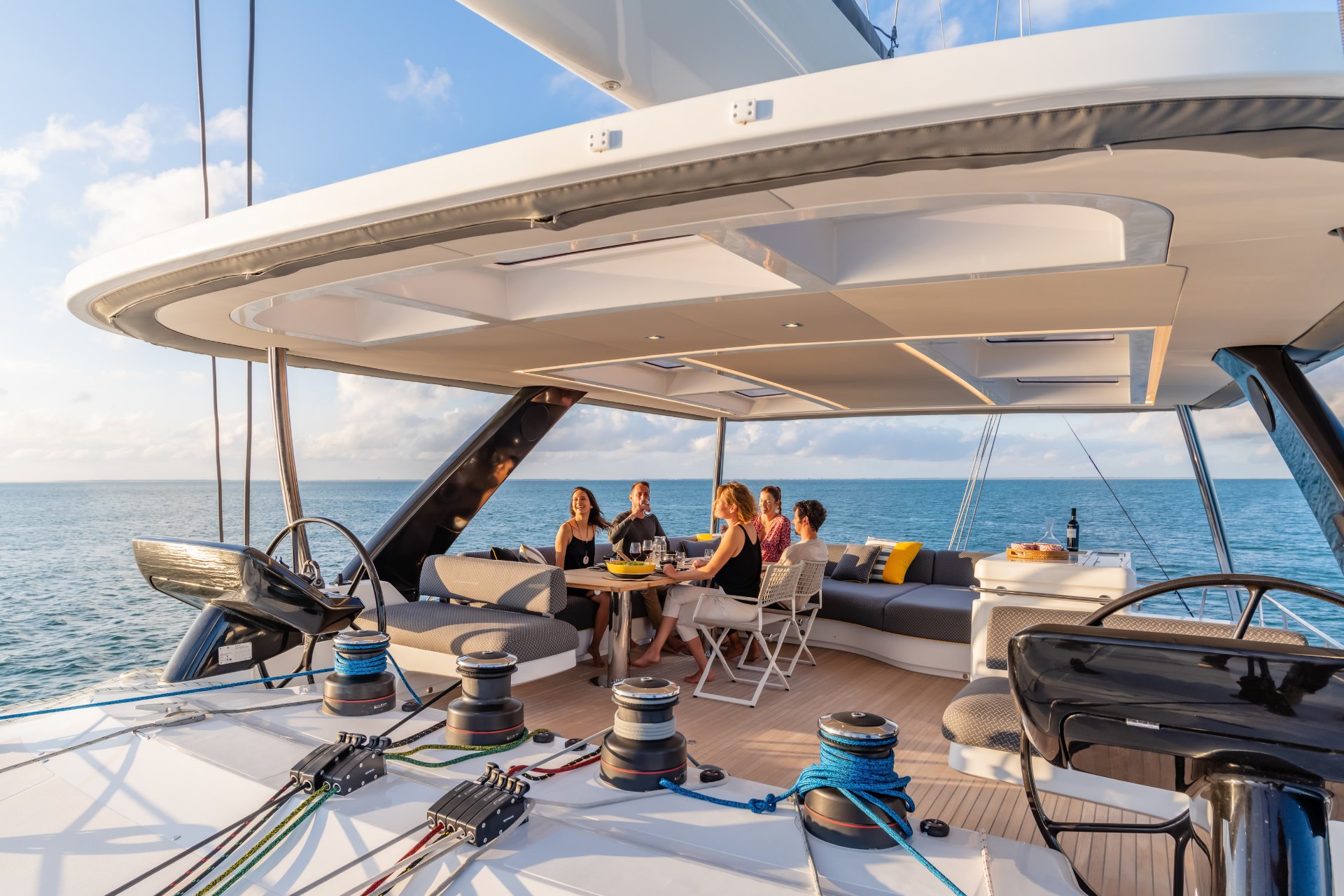
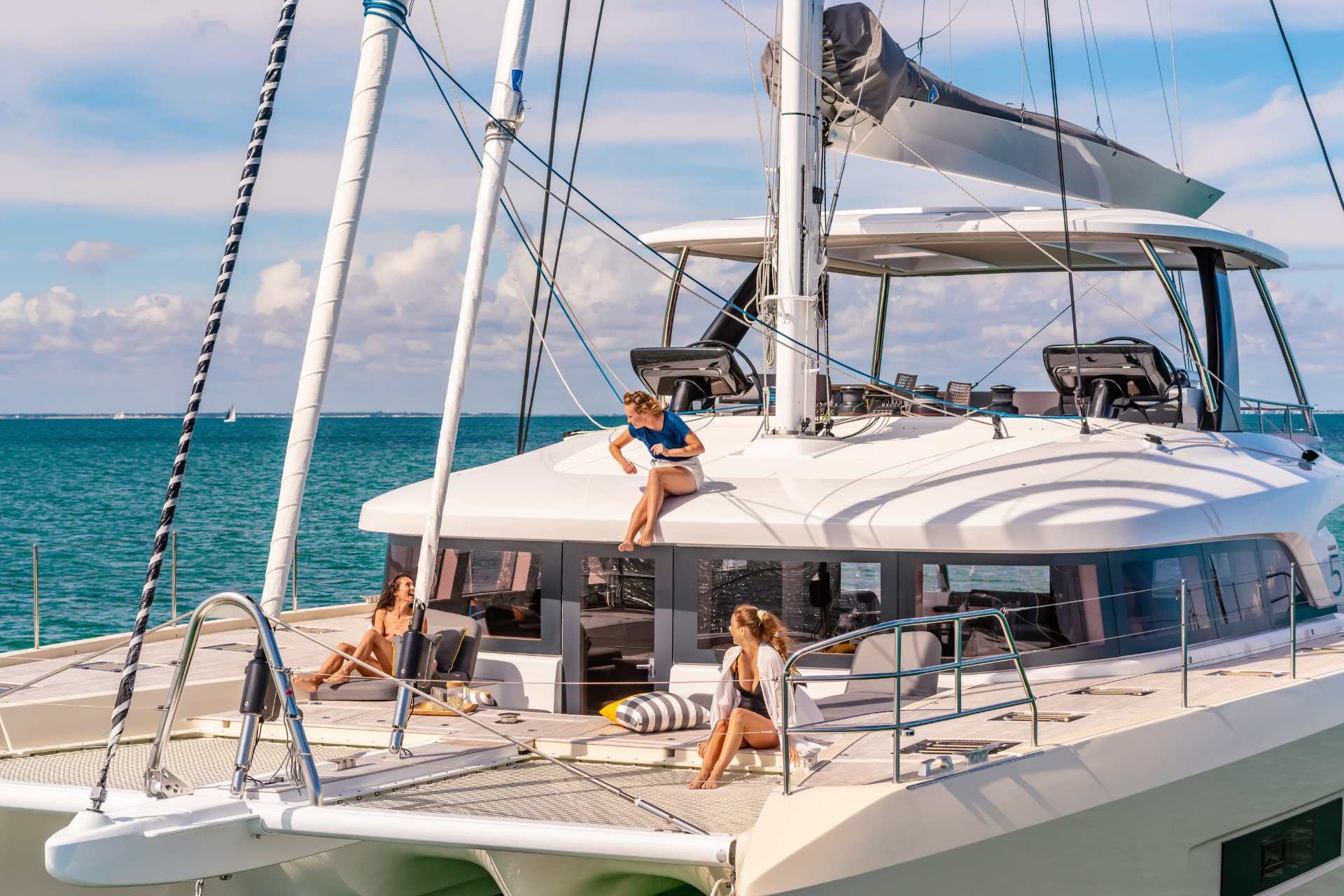
Your need for crew on a catamaran may also depend on how you enjoy life on board: when several family members or friends come aboard, you need to organise provisioning, prepare meals, keep living spaces tidy and arrange the equipment needed for activities... Taking care of these tasks yourself can leave you with less time to enjoy your stopovers.


Delegating the Responsibilities of Your Choice

With a professional crew on board your catamaran, you are free to choose the role that suits you best: you can handle the navigation and delegate meal preparation, or, conversely, leave the boat's handling to a skipper while continuing to take care of the galley. A full crew can manage all aspects of day-to-day life on board, giving you more time to enjoy activities and explore your destinations.

In any case, hiring a skipper for a week's holiday and having a year-round crew on your catamaran are two very different arrangements!

Lagoon Catamaran Charter Guide

Catamaran Crew Members: Roles and Responsibilities


Skipper and Captain: Taking Charge of Navigation and the Boat

During a cruise, the skipper or captain is generally the professional responsible for handling the boat. They plan the passage, monitor weather conditions, take part in manoeuvres and ensure each leg of the journey runs smoothly. Depending on the experience of those on board, their role can range from providing guidance to taking full responsibility for navigation.

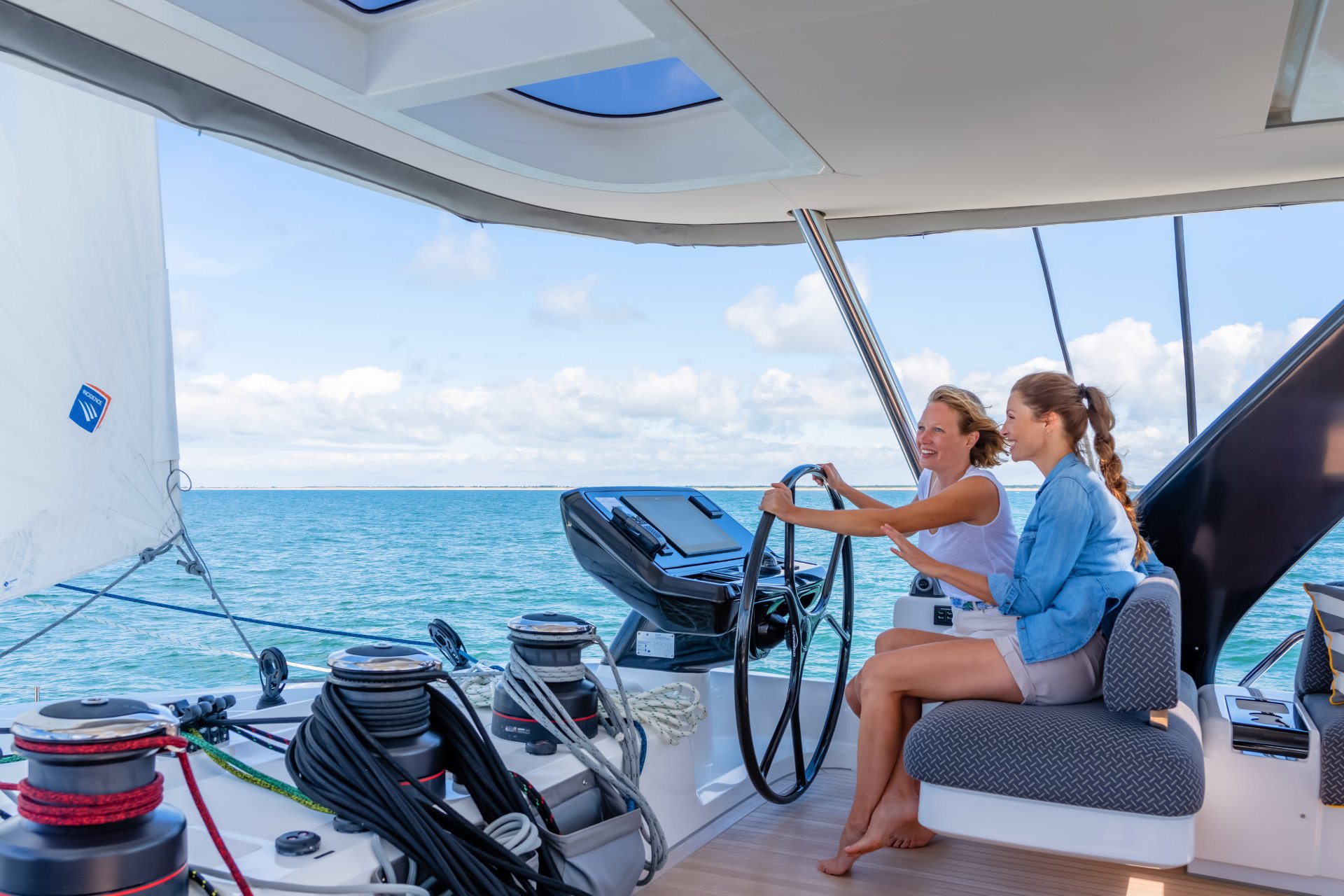
Some owners want to learn, take the helm and carry out manoeuvres alongside their hired skipper. This is usually possible. Others prefer to entrust the skipper with handling the catamaran while remaining involved in decisions about the itinerary and stopovers.


Stewardess, Chef and Deckhand: Managing Everyday Life on Board

Once the catamaran is at anchor, there are other tasks to take care of: shopping, managing provisions, preparing meals, maintaining shared living areas and welcoming guests on board... These responsibilities also take time, particularly when there are several guests or when the trip lasts for an extended period. A stewardess or steward can take care of some or all of the day-to-day organisation, including preparing living spaces, serving guests, tidying up, welcoming passengers and attending to their needs. The tasks they take on will largely depend on the level of comfort and service you are looking for.

A chef, meanwhile, focuses on meals: planning menus, organising provisions and preparing food for everyone on board your catamaran.

Finally, a deckhand is primarily responsible for maintaining the deck and the catamaran's equipment, sometimes working alongside the chief engineer. They also prepare equipment and are often called upon to assist the owner, captain or skipper with manoeuvres.


Skipper, captain, stewardess, chef, deckhand… Each role complements the others. On a catamaran used occasionally for family trips, one person may take on several responsibilities. On a larger vessel or one used intensively, it may make sense to distribute tasks among several professionals.

When putting your crew together, ask yourself: which tasks would you like to delegate?


How to Choose the Right Professionals for Your Project

Experience with your type of catamaran, offshore sailing, familiarity with your intended cruising area or charter experience... We recommend assessing each candidate's background and expertise in relation to your sailing plans. If the boat is used for professional or commercial purposes, the applicable qualifications and requirements should also be checked according to its flag, status and the responsibilities involved.

Personal compatibility matters just as much: the professional or professionals you choose should understand and respect the way you want to enjoy life on board, including your desired level of independence, how involved you wish to remain in manoeuvres, your travel pace and whether children or guests will regularly be on board.

Building a Professional Crew for Your Catamaran: What Are Your Options?


Your Plans Your Main Needs Professionals to Consider
Occasional cruise or exploring a new cruising area Support with navigation, manoeuvres and passage planning Skipper, potentially supported by a stewardess or chef if you also wish to delegate some day-to-day tasks
Familiarisation, passage or delivery Temporarily strengthen the crew for a particular leg, share watches or benefit from additional expertise Skipper, captain or professional sailor, depending on the boat, the assignment and its operating arrangements
Extended cruise lasting several weeks or months Receive support on certain legs or regularly delegate some of the navigation and day-to-day management Occasional or regular skipper, potentially joined by a stewardess, chef or other crew member as required
Intensive use, numerous guests or a large catamaran Ensure continuity in navigation, preparation, maintenance and onboard service A more structured crew, potentially including a captain, steward or stewardess, chef and deckhand, depending on the project
Sailing year-round on a catamaran: how to prepare your project properly?

5 Criteria to Help You Determine Your Crew Requirements

  • Your sailing plans – A week-long coastal cruise, an ocean crossing, several weeks of sailing each year or several months exploring the world...
  • Your personal involvement – Would you like to plan routes, take the helm and take part in manoeuvres, or would you rather delegate most or all of the boat's handling? What about cooking and catamaran maintenance?
  • The number and type of guests on board – Children, family, colleagues, friends, clients...
  • The level of service you are looking for – Or, more simply, the tasks you would like to delegate.
  • How often you use your catamaran and its characteristics – Occasional or regular use, boat size, private cruising or charter...


Welcoming a Professional Crew on Board Your Catamaran: How It Changes Life on Board

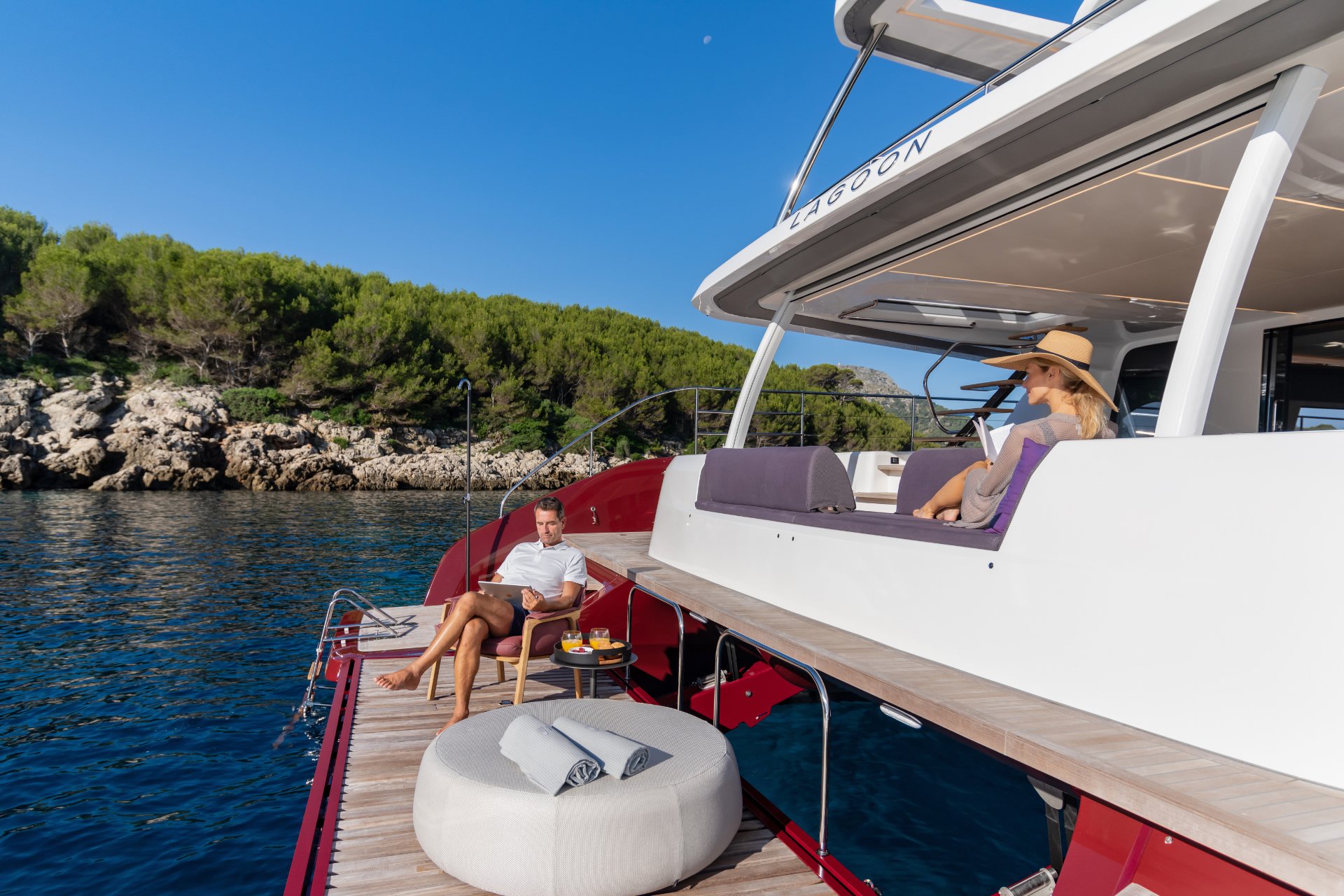
A professional living on board your catamaran will generally share your living spaces and daily routine. This may be perfectly manageable on a cruise lasting a few days, but having dedicated personal spaces can become important when crew members accompany you for several weeks or months.

With well-planned cabins and bathrooms, crew, owners and guests can all enjoy greater comfort and privacy. When a catamaran combines private cruising with charter use, the same spaces may need to accommodate different purposes, passengers and crew arrangements.

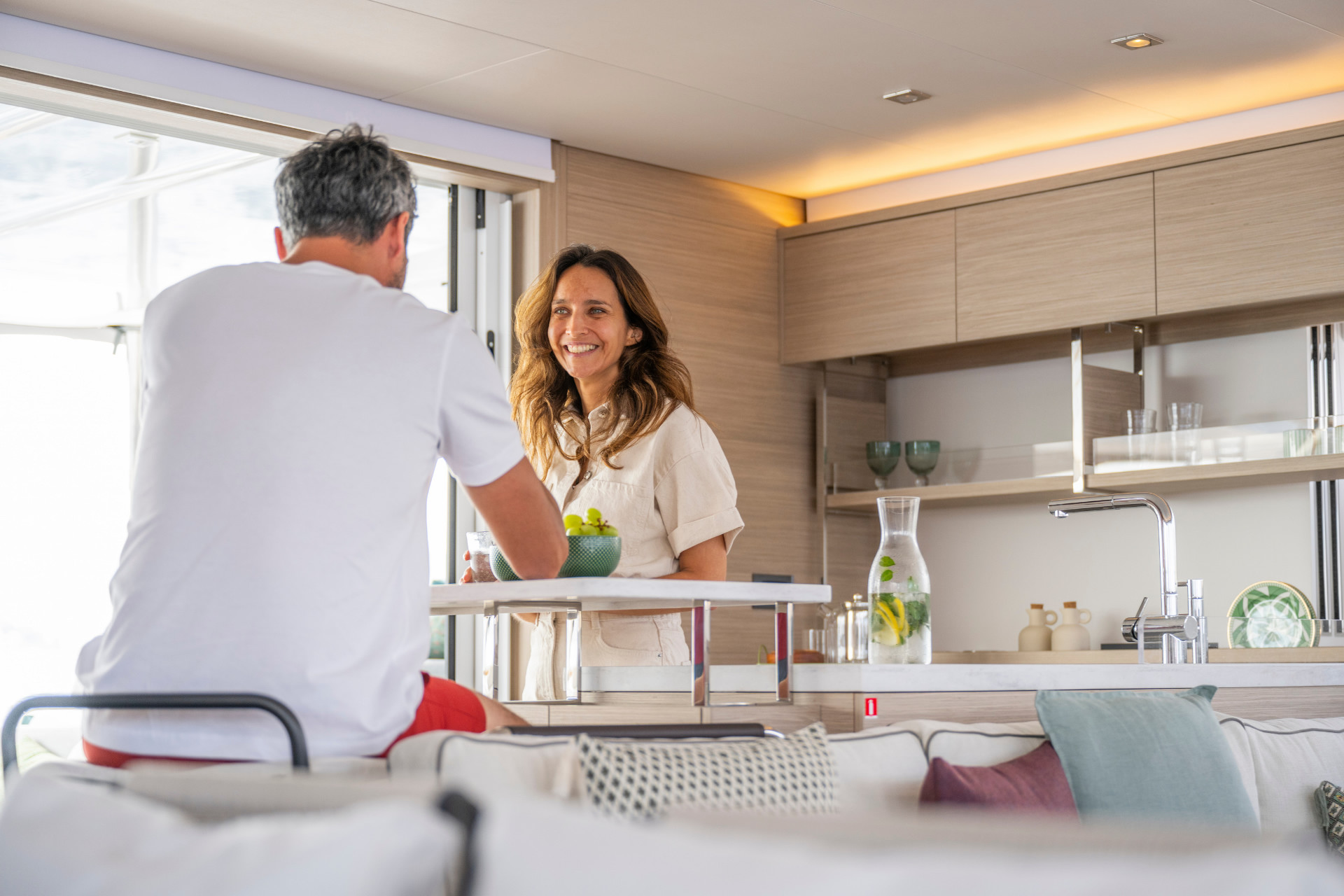
If you have professional crew on board, the layout should also make everyday movements and tasks easier – from cooking, cleaning and provisioning to equipment storage and access to technical areas, for example. All this needs to be organised without disrupting the daily lives of those on board!

The more regularly you have crew on board, the more important these details become. They are best taken into account from the outset, when choosing and configuring your catamaran.

Large Lagoon Catamarans: Planning the Crew from the Outset

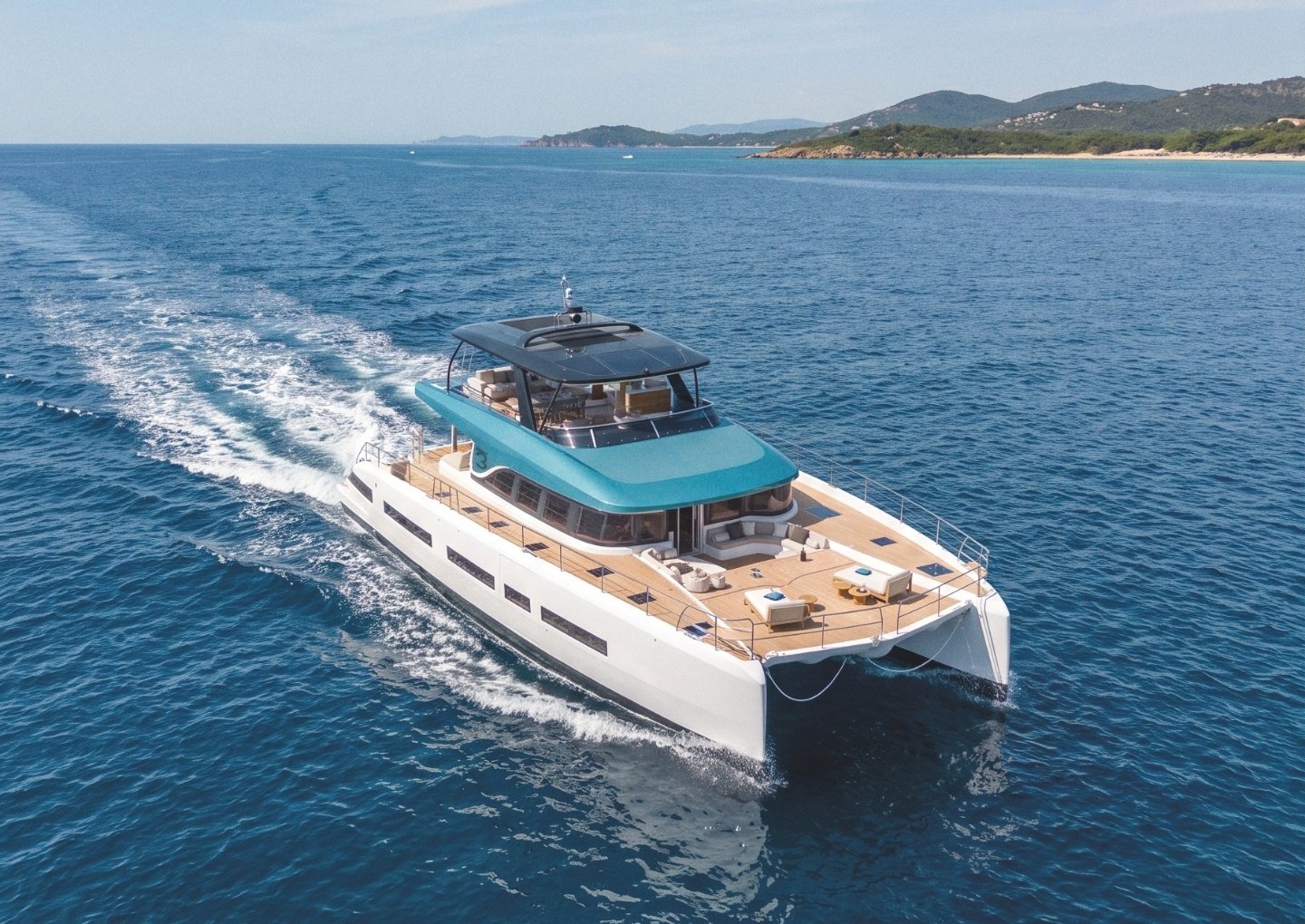
On larger Lagoon catamarans of 65 feet and above, crew requirements are considered from the very beginning of the project. A yacht intended for private use, charter or a combination of both will have different needs. The crew composition, how the team works and how much time they spend on board often influence the layout choices.

  • For private use, owners often look for generous living spaces and greater privacy.
  • On a catamaran intended for charter, guest capacity and the crew’s working conditions take on a different importance. Circulation routes, storage spaces and the layout of living areas need to be designed around how the boat will actually be used.

Taking these needs into account from the design stage of the Lagoon EIGHTY 3, Lagoon SIXTY 7, Lagoon EIGHTY 2 and Lagoon SIXTY 5 also makes it easier to plan for the way your needs may evolve over time: spending more time at sea, welcoming guests more often or adapting the crew as the years go by...

Find out more about customising your catamaran

FAQ – Sailing a Catamaran with a Professional Crew


When Should You Hire a Professional Skipper?

A qualified professional skipper can be valuable when getting familiar with your catamaran, exploring a new cruising area, undertaking a passage or a specific delivery, or if you would like to delegate some of the boat handling during a cruise. They can accompany you on an occasional basis or take charge of your catamaran throughout the year.


What Does a Stewardess or Chef Do on Board a Catamaran?

A stewardess or steward helps welcome guests, provide service, keep the boat tidy and manage day-to-day life on board. The chef, meanwhile, takes care of menus, provisioning and meal preparation. Depending on the size of your catamaran and the composition of your crew, some duties may be combined or shared among the crew members.


Do You Need a Permanent Crew on a Large Catamaran?

Not necessarily. It mainly depends on how often you use your boat, your sailing plans, the number of guests you typically welcome on board and the level of service you are looking for. Intensive use, extended stays on board, or private and charter use may make it worthwhile to divide responsibilities among several crew members.


How Do You Choose the Right Professionals for Your Catamaran?

Start by defining the tasks you want to delegate: navigation, boat handling, cooking, guest services, maintenance, assistance and more. Then check that the experience and qualifications of the professionals you shortlist match your type of catamaran and intended sailing programme. A good professional crew will be able to share your time on board while respecting your pace and day-to-day preferences.