How to protect the environment while cruising on a catamaran?

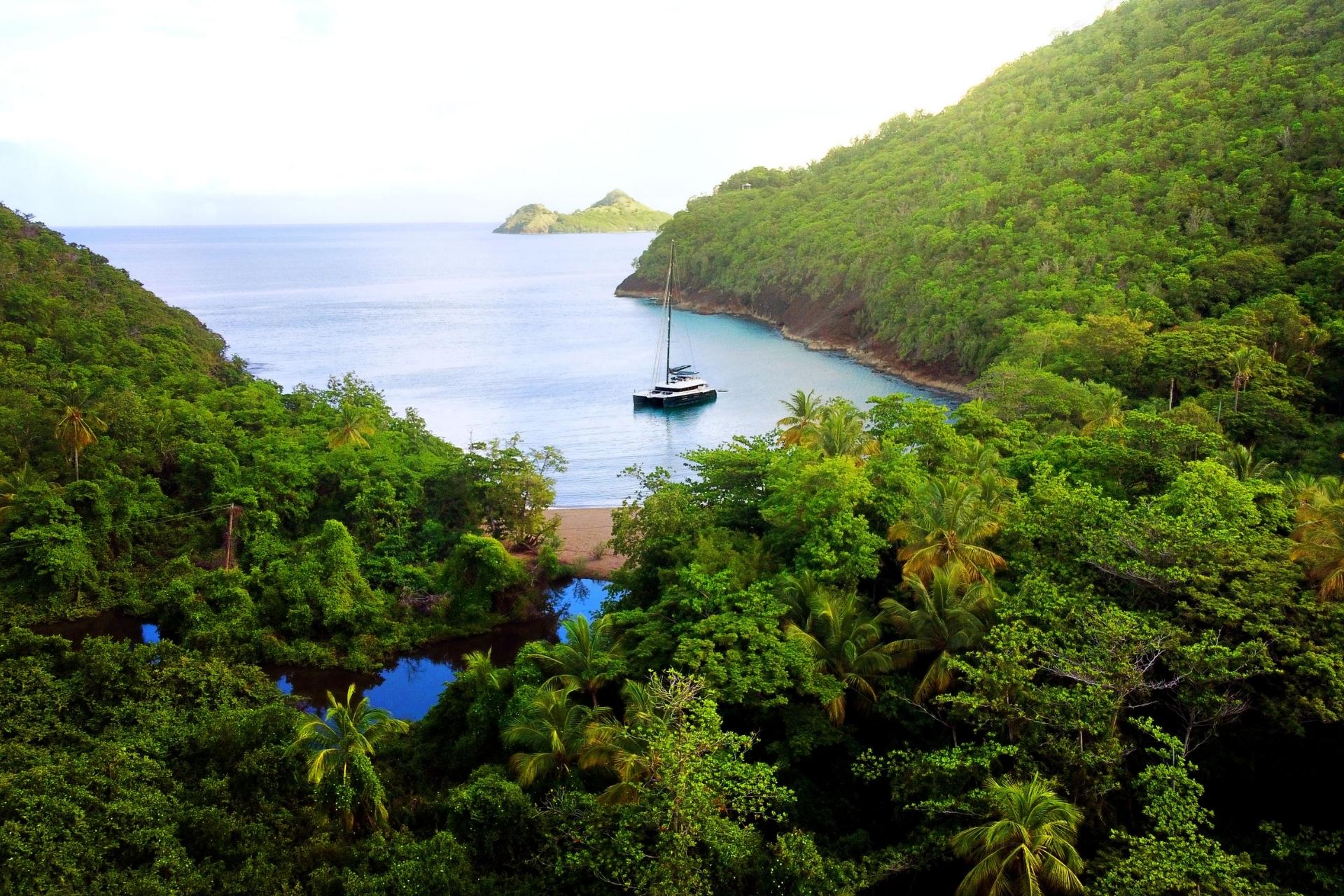
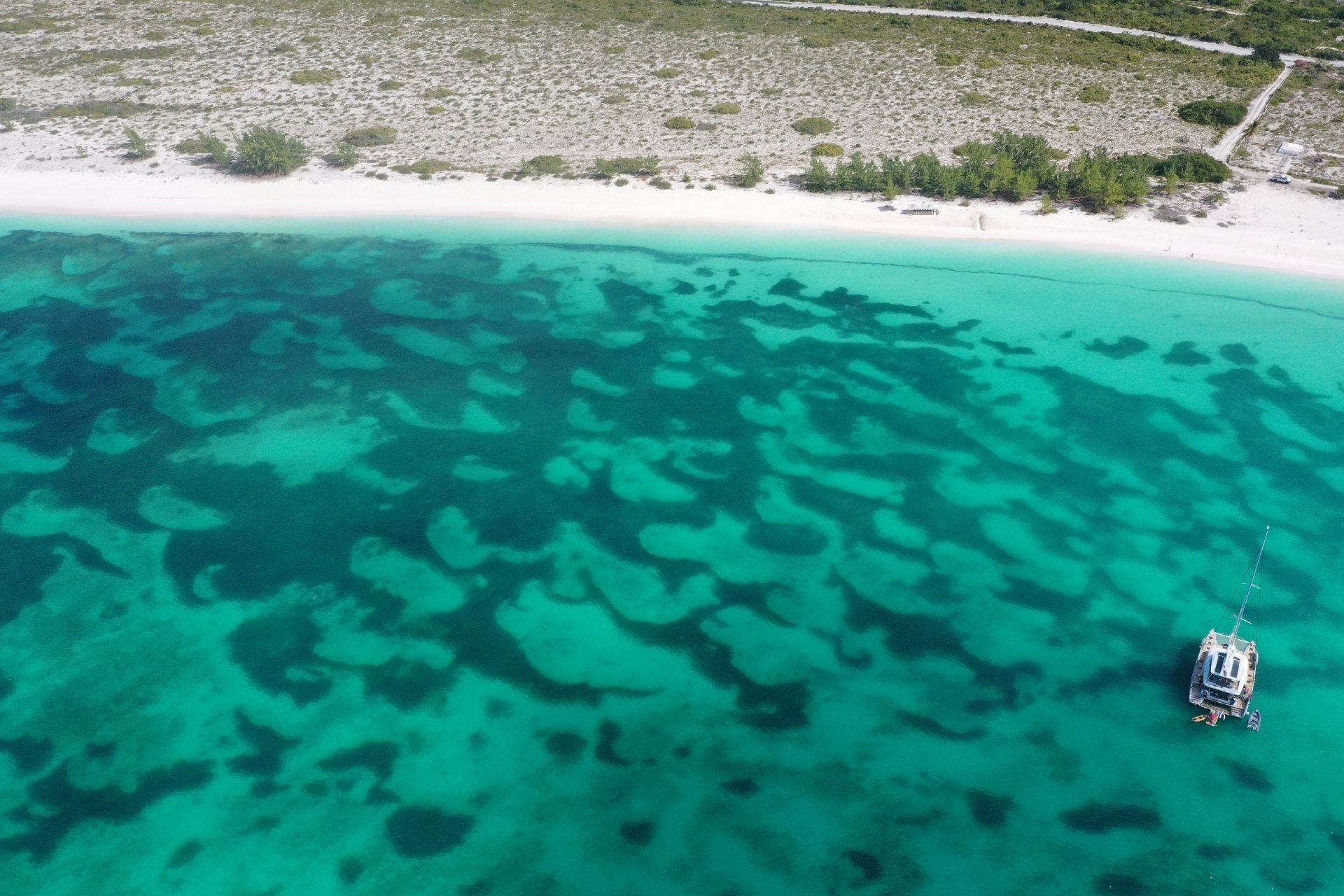
Sailing a catamaran offers privileged access to extraordinary marine environments around the world. Far from densely urbanised coastlines, coral reefs, seagrass beds and lagoons are fragile ecosystems that deserve to be preserved.

The pleasure and freedom that come with catamaran ownership — whatever the sailing programme — carry a responsibility: understanding that every choice made onboard, whether related to navigation, equipment or daily habits, has an impact on the environments we pass through.

How can we protect these destinations? What actions can be taken on a day-to-day basis aboard a catamaran to respect marine life? How can we reduce our environmental footprint and sail with a lighter impact?


Protecting the environment while cruising on a catamaran – Key takeaways

  • Plan your itinerary to avoid sensitive areas
  • Adapt your navigation — under sail and motor — to reduce your impact
  • Respect marine wildlife and the seabed
  • Reduce and effectively manage onboard waste and discharges
  • Optimise resource consumption
  • Support ocean conservation initiatives

June 3, 2026

The environmental impact of a catamaran cruise

A catamaran cruise, even a well-managed one, generates direct interactions with the marine environment.

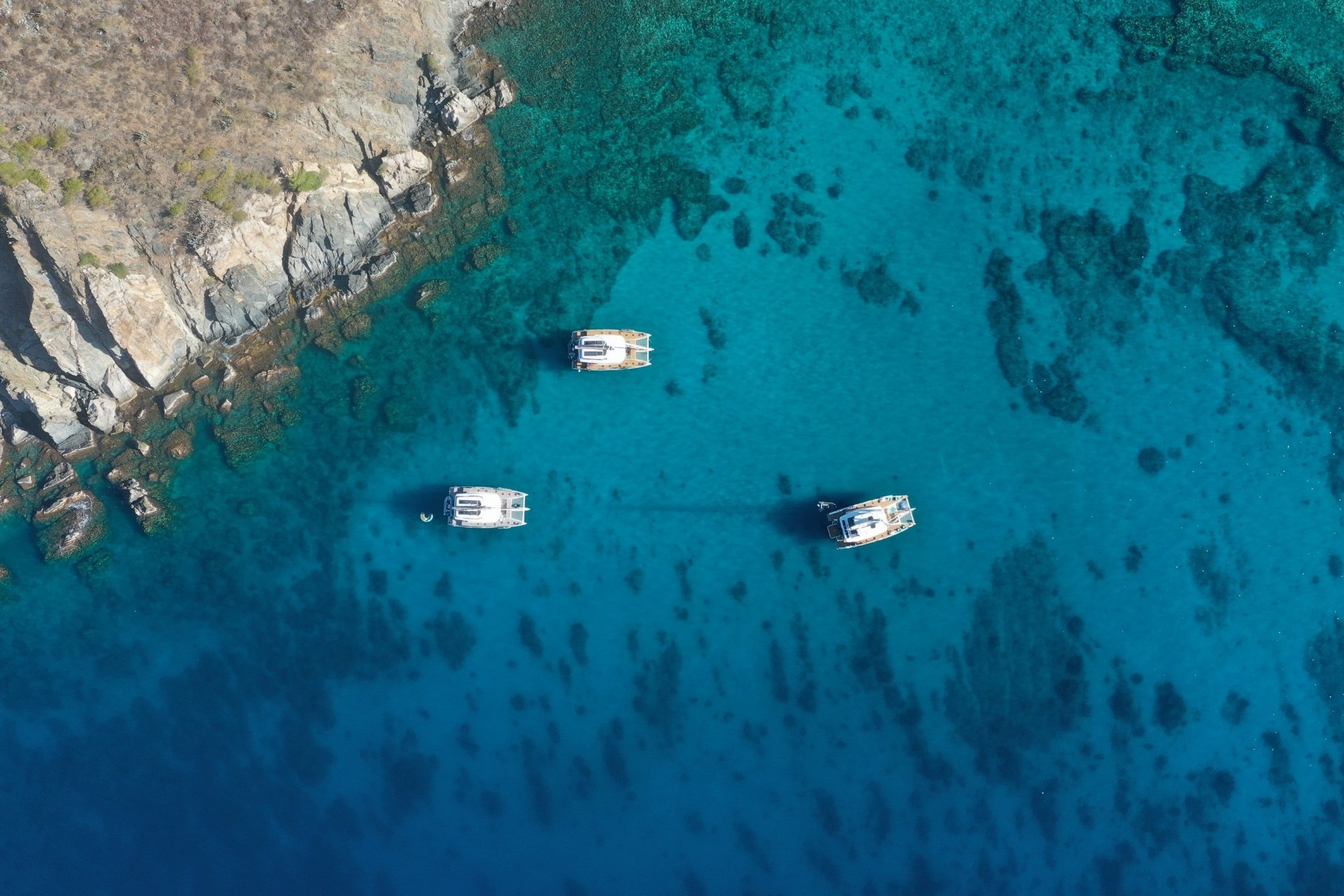
Travelling through areas of high marine biodiversity — in close proximity to wildlife and sometimes generating excessive noise — can disturb marine fauna. A poorly positioned anchorage, or a high concentration of boats in the same area, can lead to the destruction of seagrass beds or coral reefs — sensitive ecosystems that are nonetheless essential to the balance of our planet's biodiversity.

Add to this the environmental impact of life onboard:

  • Energy consumption
  • Use of products not suited to the marine environment
  • Waste production
  • Discharge of grey water (showers, washing up, cleaning)…


Taken individually, these factors may seem limited. But their repetition in areas heavily frequented by recreational boaters — whether monohull or catamaran — increases pressure on the environments we care so deeply about.

Life cycle analysis of boats shows that the usage phase is the most impactful in terms of emissions. The practices adopted onboard therefore play a direct role in reducing the environmental footprint.

At Lagoon, we believe that exploring every destination should go hand in hand with a commitment to protecting it. For owners, it is no longer simply about travelling by catamaran — it is about evolving the way they sail in order to preserve the environment.

Adopting an eco-responsible approach from the outset


Planning your itinerary to limit impact on sensitive areas

For the sailor, the impact of a cruise begins at the planning stage: even before weighing anchor, it is possible to reduce your environmental footprint by selecting the best sailing areas.

Nautical charts, sailing guides and local regulations provide valuable information on protected or restricted areas, where anchoring or navigation may be prohibited.

By studying this information when planning your cruise itinerary, you can avoid areas with the most fragile ecosystems — shallow coral reefs or seagrass beds, for example.

Planning ahead also allows you to choose alternative anchorages, avoiding concentrations of boats in a single spot. As well as caring for the marine environment, you will enjoy a quieter anchorage and discover your destination with a true sense of privilege.


Choosing a navigation style that reduces emissions

This will depend on your boat:

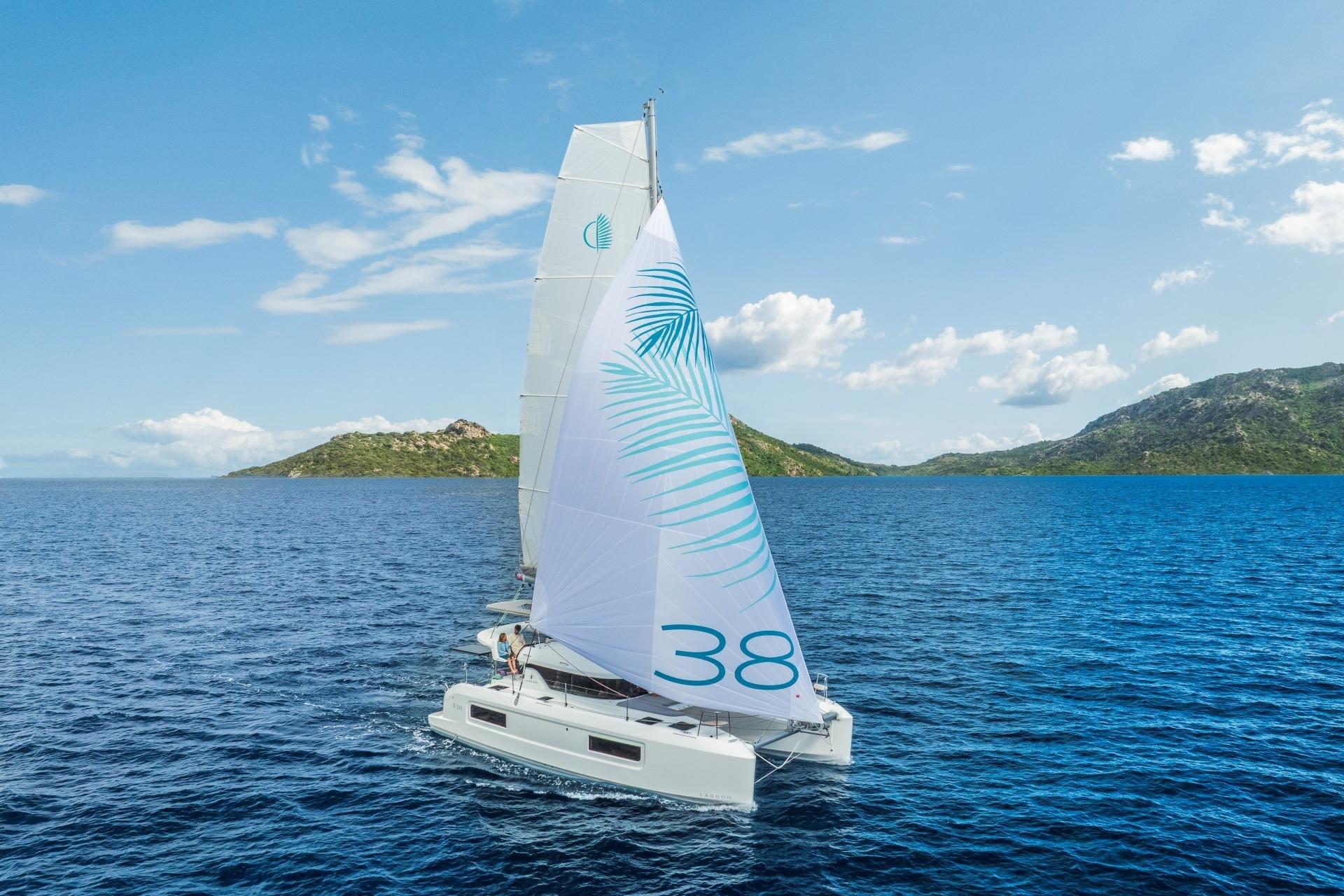
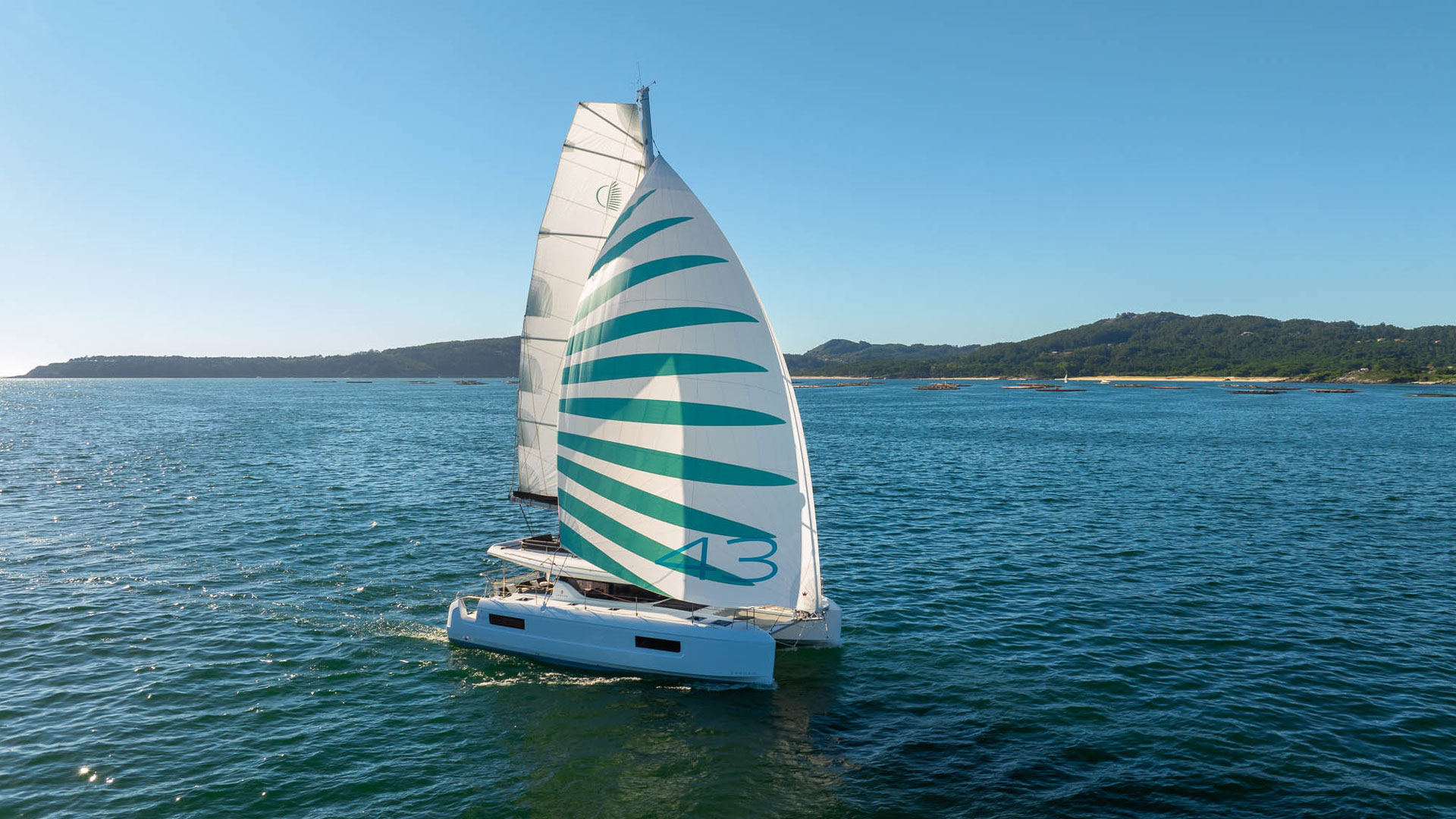
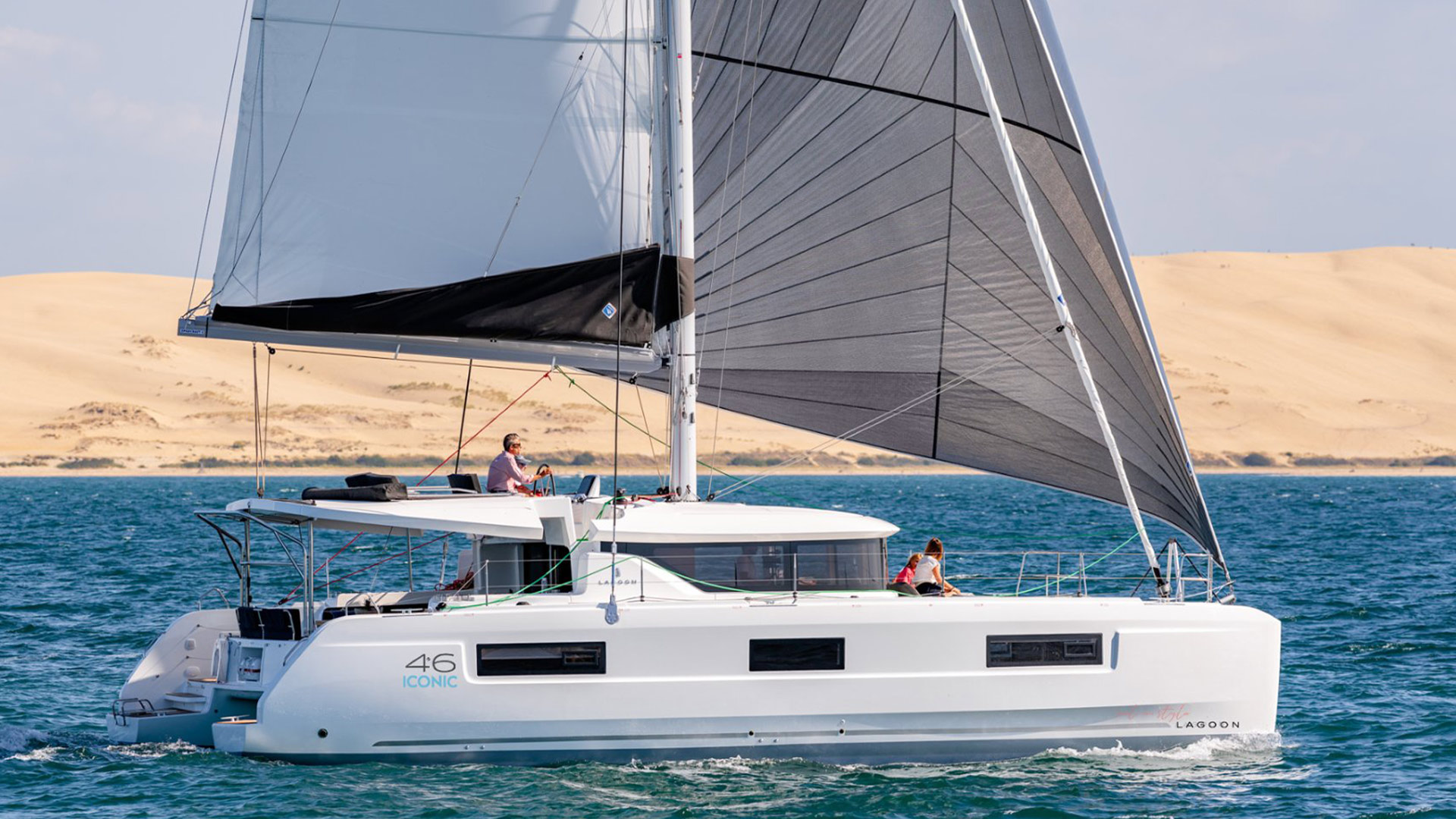
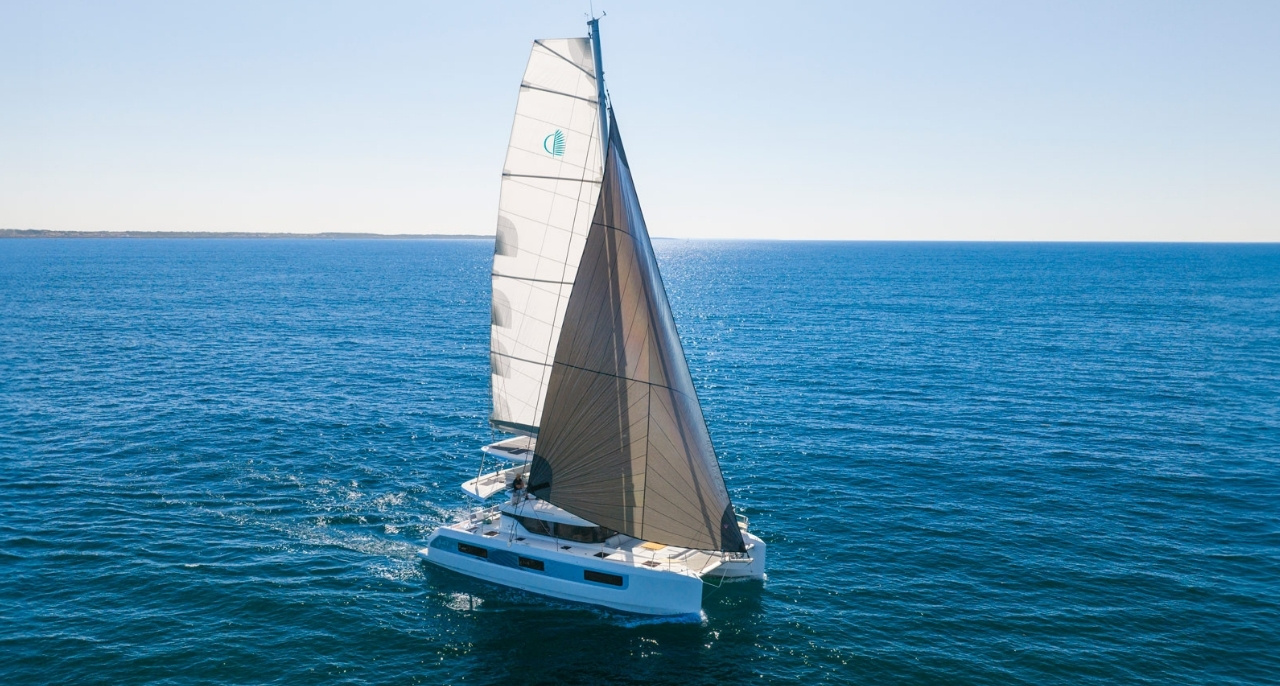
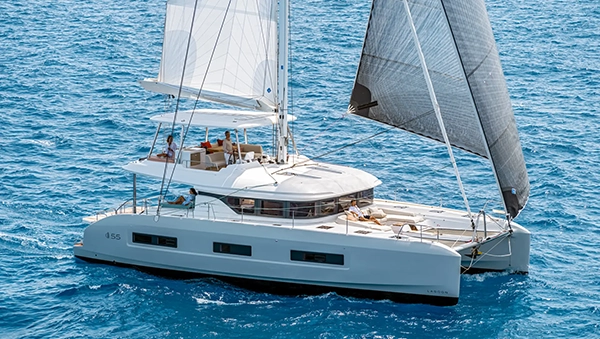
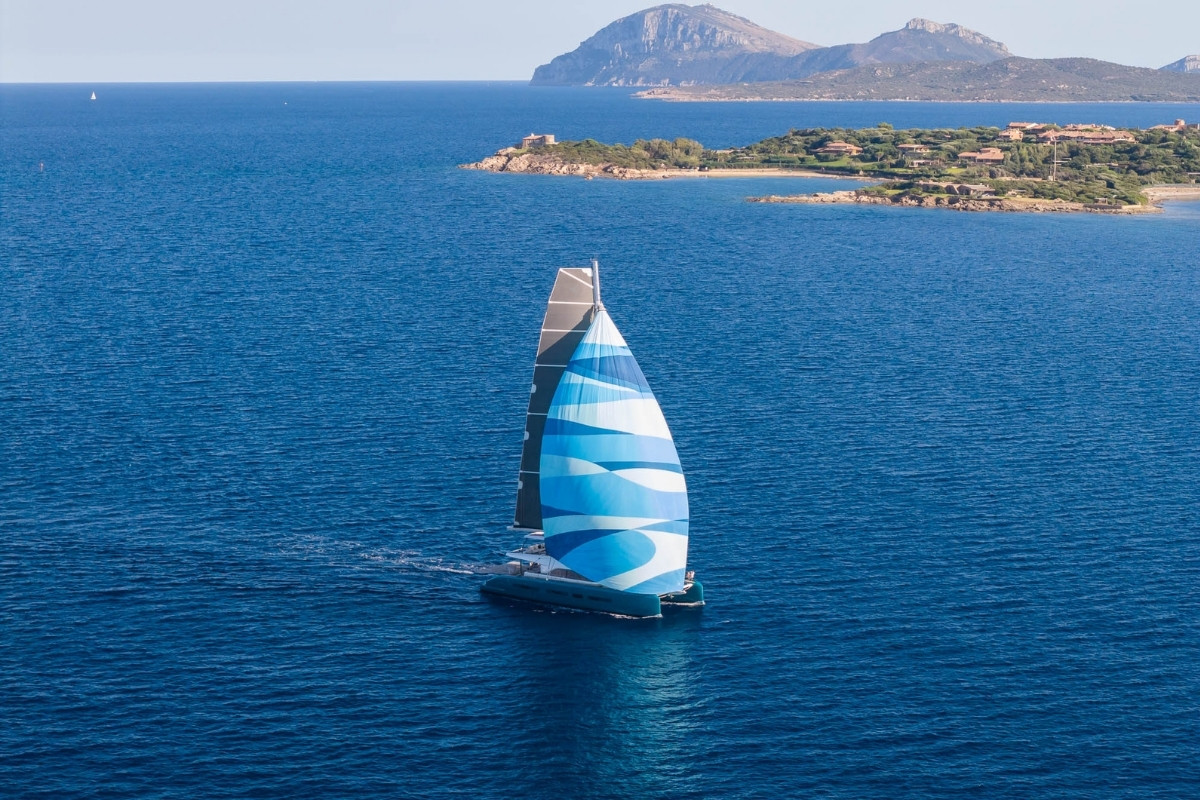
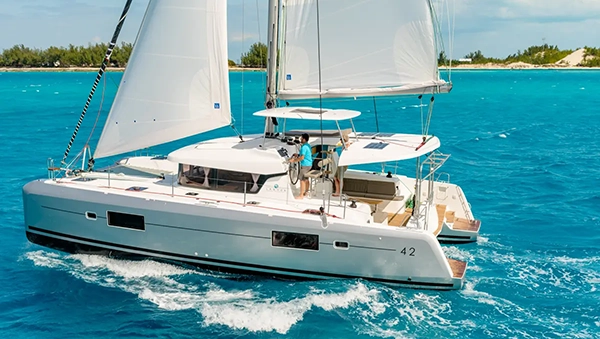
By nature, a sailing catamaran has the ability to cover long distances with a reduced environmental impact, primarily harnessing the power of the wind. By adapting your heading and sailing schedule to weather conditions, you will limit engine use, save fuel and reduce particulate and CO₂ emissions.

Sailing in silence also helps avoid underwater noise pollution, which can disturb certain sensitive species.

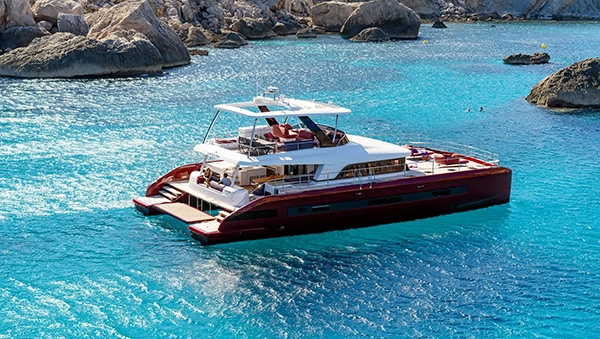
Aboard a motor catamaran, there are also ways to reduce your impact:

  • Opt for a recent, more fuel-efficient engine
  • Adjust your speed to limit fuel consumption
  • Service your engines regularly to optimise their performance
Lagoon: Environmentally Responsible Catamarans for Low-Impact Cruising

Sailing in a way that preserves marine ecosystems


Respecting local regulations

Around the world, specific rules exist in sailing areas to protect ecosystems. These regulations may cover:

  • Opening and closing periods for certain areas
  • Speed limits while underway
  • Anchorage zones
  • Protection of specific species: marine mammals, fish, birds…


By complying with these rules, you will limit the impact of your cruise and contribute to the collective management of marine spaces. As regulations evolve regularly, we recommend staying informed — both before and during your cruise.


Observing wildlife without disturbing it

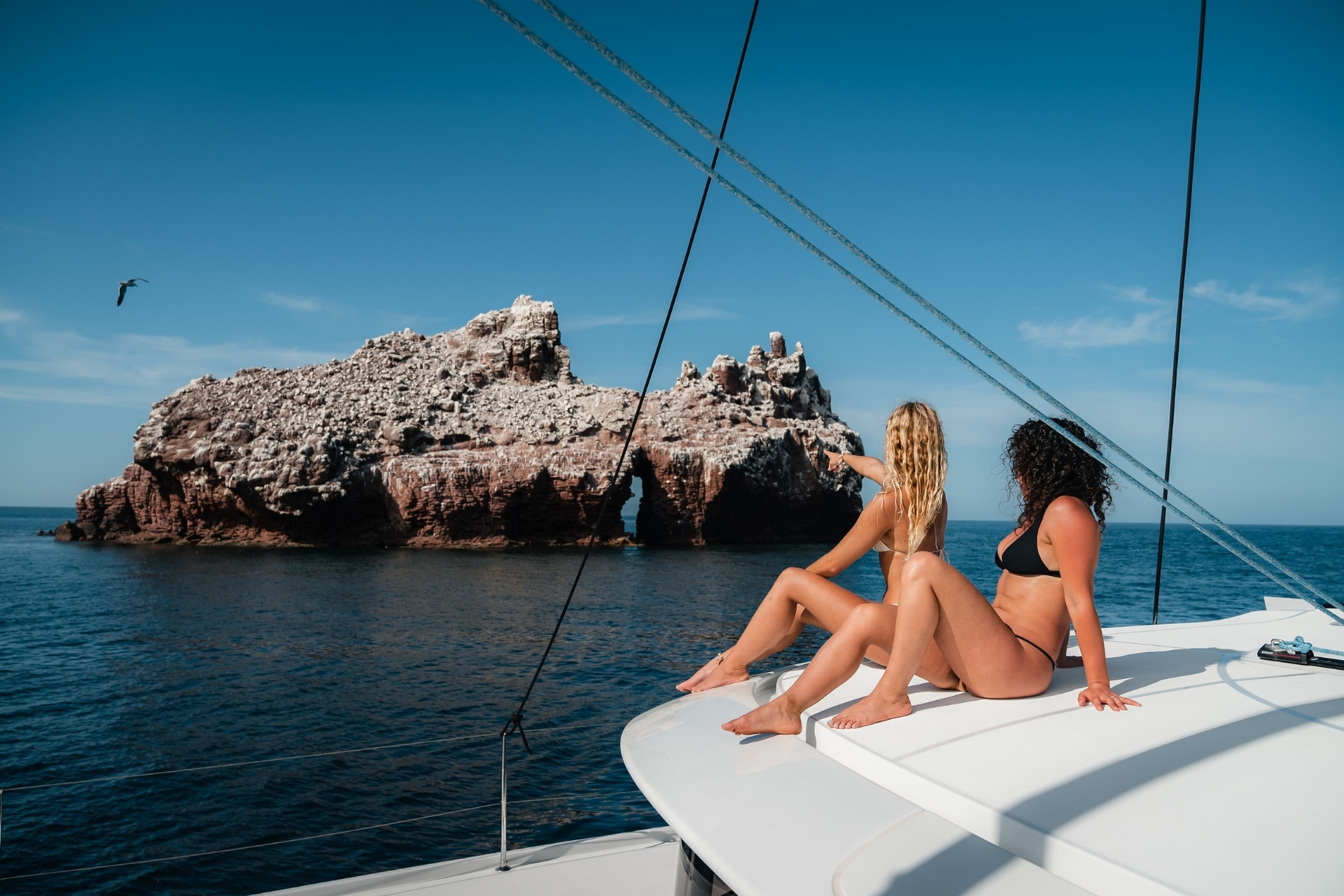
Sailing often brings you close to various animal species. Any proximity to marine wildlife should be approached with care, so as not to encroach on their environment or disrupt their behaviour.

Here are a few guidelines for respecting marine animals:

  • If you spot a species on the water, do not try to approach it. Maintain a safe distance to avoid invading its space or risking injury
  • While underway, avoid sudden changes in heading or speed
  • Under motor, keep noise to a minimum to avoid causing additional stress
  • Do not feed animals and limit direct interaction


Protecting the seabed when anchoring

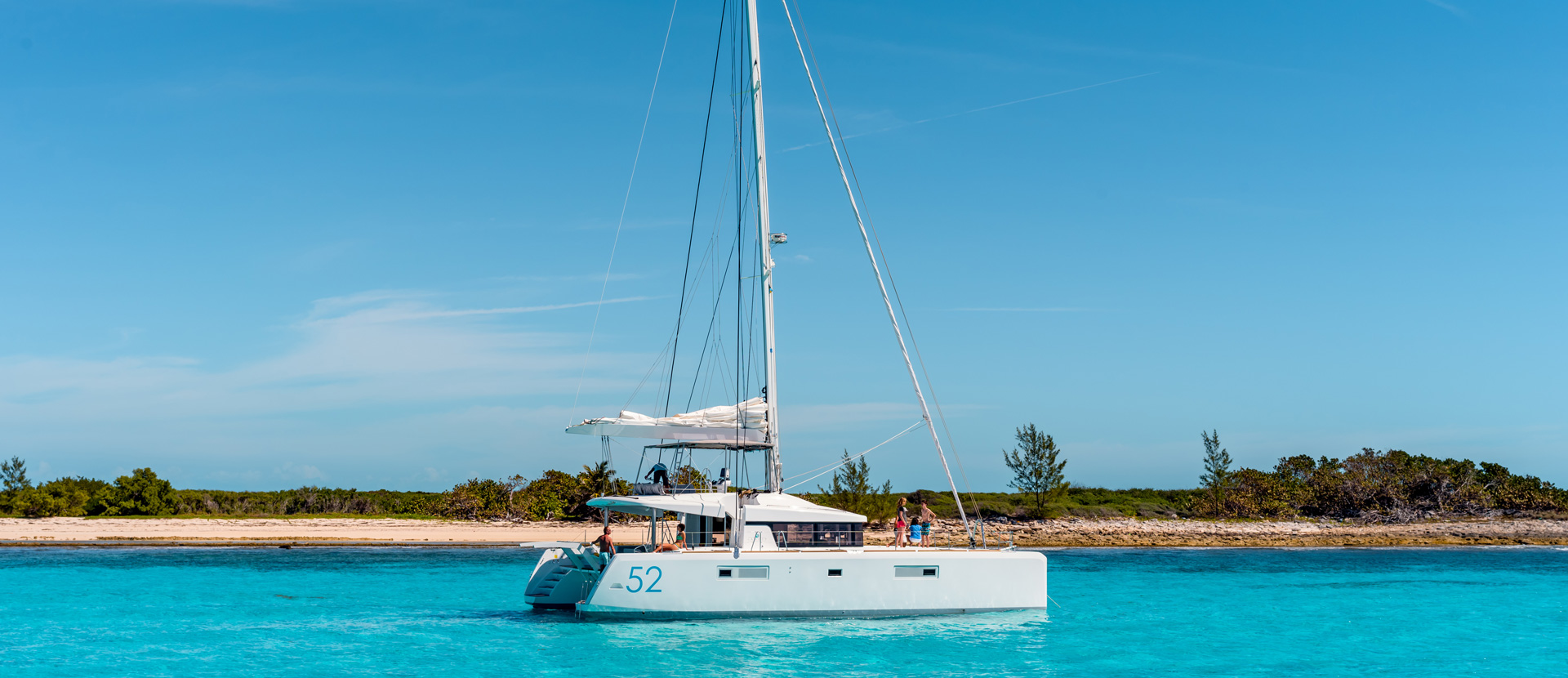
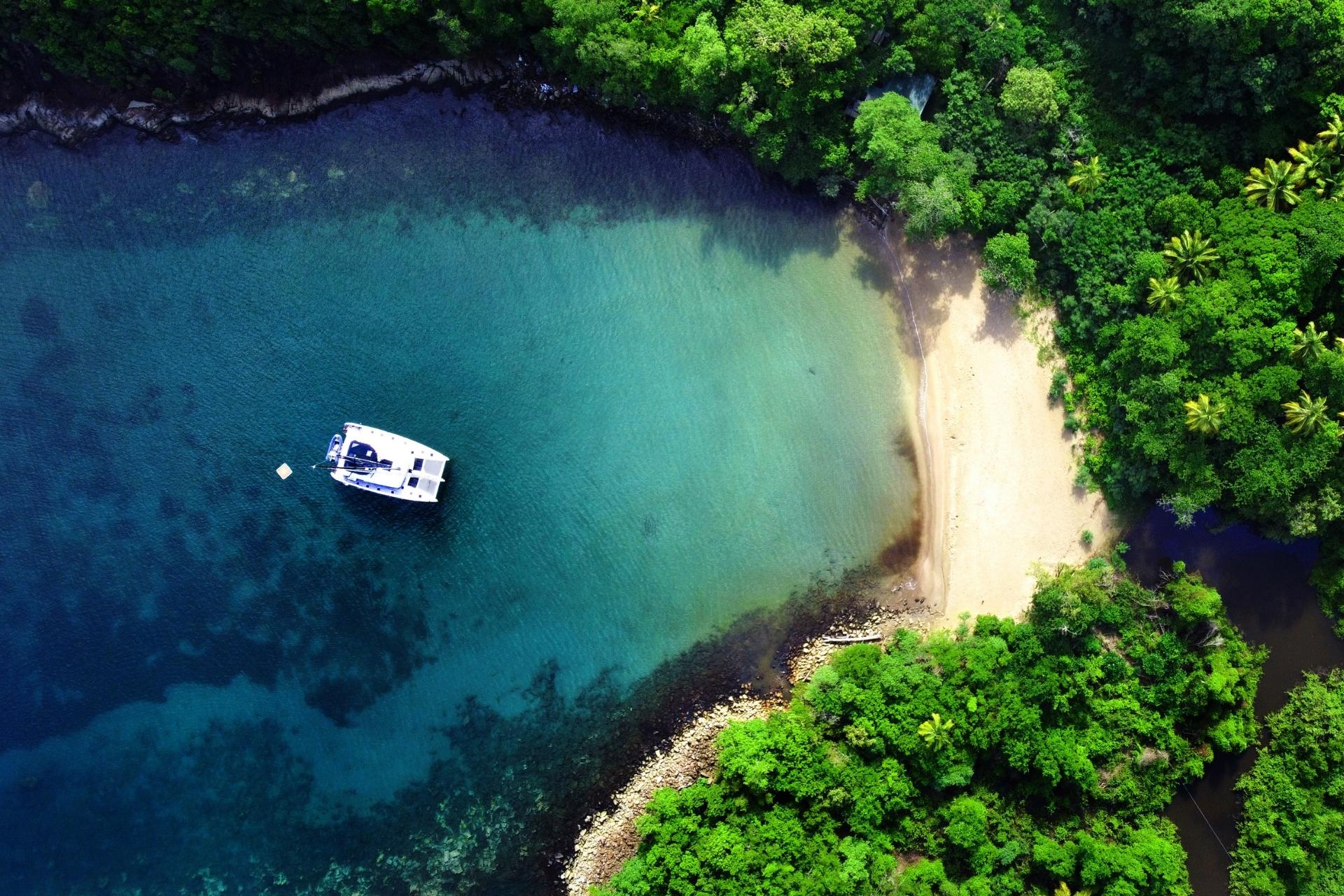
Anchoring is one of the main sources of impact on the seabed. On a catamaran as on a monohull — even in areas where anchoring is permitted — a poorly placed anchor can damage the seabed, sometimes irreversibly.

The first good habit, wherever possible, is to moor to a buoy rather than anchoring. When no mooring is available or secure mooring is not possible, we recommend carefully observing the seabed before dropping anchor. Sandy areas are preferable: as well as offering better holding, they minimise the risk of damage.

Life onboard a catamaran: best practices for reducing your footprint


Choosing products suited to the marine environment

On any cruising catamaran, the products used by the crew have a direct impact on the environment: in grey water, the components of standard cleaning and personal care products pollute the water and harm ecosystems.

To limit discharges at sea, we recommend choosing 100% natural, biodegradable products. For washing-up liquid, shower gel, shampoo and all cleaning products, check the composition and compatibility with use in a marine environment.

For new Lagoon owners, we include a kit of biodegradable cleaning products onboard your catamaran: our eco-designed solutions limit onboard impact and help you adopt the right habits from your very first voyages.


Sorting and disposing of waste correctly

Managing waste onboard during a cruise also requires proper organisation — particularly on longer passages, when the catamaran remains away from port facilities for some time.

Our recommendations:

  • Choose products with minimal packaging, or in reusable containers. If possible, remove disposable packaging before departure
  • While underway, be mindful of wind and lightweight items or packaging to avoid anything going overboard
  • Sort your waste and deposit it only at appropriate collection points
  • Respect local regulations regarding the disposal of food waste at sea


Managing grey water responsibly

Onboard a catamaran, grey water and black water also require attention: improper discharge can directly impact water quality. Use the onboard holding tanks and respect designated discharge areas to limit the impact of your cruising or bluewater catamaran.


Reducing resource consumption onboard

Energy consumption on catamarans often involves the use of engines and generators, which produce atmospheric and noise emissions. These can be reduced by managing equipment consumption: limit the use of non-essential appliances, for example, and optimise refrigeration efficiency.

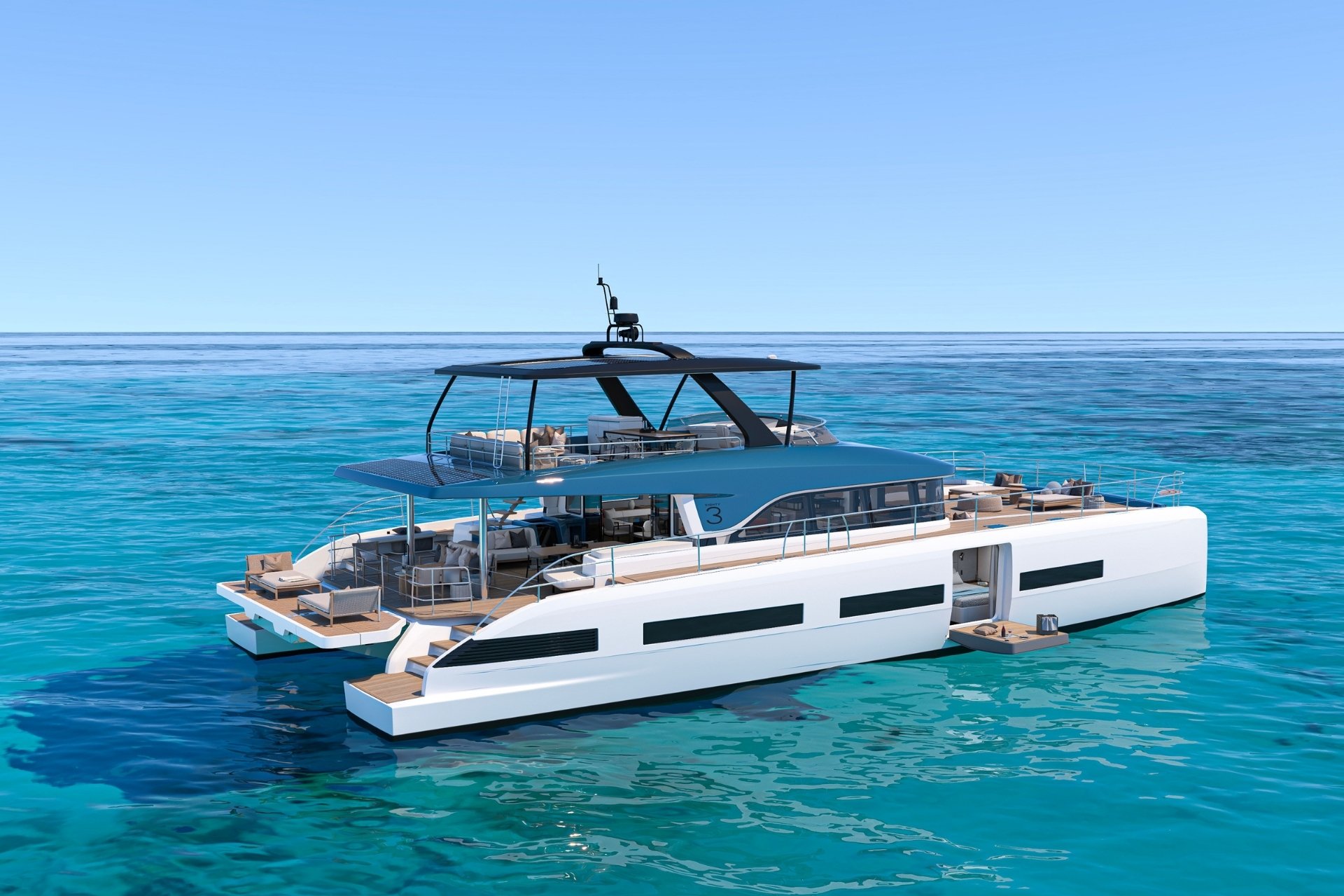
Lagoon catamarans now integrate zero-emission energy solutions: solar panels contribute to powering onboard systems and reduce dependence on fossil fuel sources. On several models, high-performance systems are built in from the design stage to improve onboard autonomy.

Fresh water is also a limited resource: by optimising its management, you will reduce your need to replenish supplies. We recommend monitoring your daily consumption and opting for water-saving devices — such as a flow regulator.

Onboard Lagoon catamarans, it is possible to desalinate seawater for a greater supply of drinkable water. At the tap, the UVOJI system delivers high-quality water and reduces reliance on plastic bottles.

Autonomy and Range: Lagoon’s Solutions for Passagemaking

Committing to ocean conservation


Raising crew awareness of best practices

Onboard, it is important to remember that environmental preservation is everyone's responsibility. At the start of the cruise, the skipper can brief passengers and encourage them to adopt the right habits.

Respecting wildlife, managing waste, being mindful of water consumption… a simple briefing is all it takes to share the key guidelines for reducing the catamaran's impact.


Taking part in concrete actions at sea and ashore

Some actions go even further in preserving the oceans. Collecting floating or shoreside litter is one of them: regularly picking up visible waste — even in small quantities — helps limit its dispersal, fragmentation and, by extension, its impact on marine life.

If you wish to get more involved while in port, you can also join other initiatives:

  • Local awareness programmes
  • Clean-up operations
  • Scientific missions to study, survey or rescue marine species: corals, turtles, marine mammals…


Lagoon and Coral Guardian: a concrete commitment to coral reefs

Committed to the protection and conservation of the marine environment, Lagoon Catamarans has made an active commitment to coral reef preservation.

Alongside the association Coral Guardian, we take part in various restoration and awareness-raising initiatives. Coral Guardian develops scientific monitoring and coral transplantation programmes to support reef regeneration in impacted areas.

By supporting this kind of initiative, we help build lasting, meaningful action in favour of species protection and the preservation of sailing destinations.

FAQ – Protecting the environment while cruising on a catamaran


How can I reduce the environmental impact of a catamaran? 

Adopting responsible habits helps limit a catamaran's environmental impact: evolving your navigation practices (propulsion, speed), minimising and properly managing waste and discharges, using biodegradable products and respecting sensitive areas and species.
 

Why is it important to protect the seabed when anchoring?

Seagrass beds and corals, in particular, are fragile and take years to regenerate. In some locations, mooring buoys have been installed by local authorities to accommodate boats and maintain the balance of visited ecosystems. When no equipment is available, extra vigilance is essential: a poorly positioned anchor can cause lasting damage to the seabed.


What catamaran equipment should I choose for a more eco-friendly cruise?

Solar panels, watermakers and water purification systems, for example, help reduce resource consumption and waste production onboard — and therefore the overall impact on the environment.
 

How should I manage waste while cruising on a catamaran? 

Lagoon recommends reducing packaging and waste from the moment you board. While cruising, sort your waste and deposit it ashore only at designated collection points. For organic waste disposal, consult and comply with local regulations.
 

How can I go further in protecting the oceans?

Sailors who wish to support ocean preservation can take part in awareness and clean-up initiatives at the destinations they visit, and support associations committed to protecting marine ecosystems.